
11 Effective Ways to Increase the Height of a Chain Link Fence
Is your chain link fence not tall enough for your needs? Whether it’s about keeping pets in or adding more privacy, a standard 4-foot fence might fall short. This post is here to help, offering 11 simple ways to make your chain link fence taller.
We get that everyone’s fencing needs are different – maybe you’re trying to keep kids safe or confine a big pet. If a 4-foot fence isn’t cutting it, this article is for you! We’ll guide you through easy and creative solutions to increase the height of your chain link fence.
Whether you like DIY projects or want straightforward techniques, our guide covers it all. Say goodbye to the limitations of a short fence and find out how to make your chain link fence taller to fit your unique needs.
#1. Attach taller wooden planks
To make your chain link fence taller, you don’t have to take it down.
A smart way is to add taller wooden boards to the metal posts using sturdy pipe brackets.
Check out this video for a similar idea, but you can use even stronger and taller boards.
Fill the gaps between the boards with wood or hogwire to boost both height and appearance.
This practical method enhances your fence’s height, providing more privacy and security.
#2. Chain Link Fence Height Boost with Extension Poles
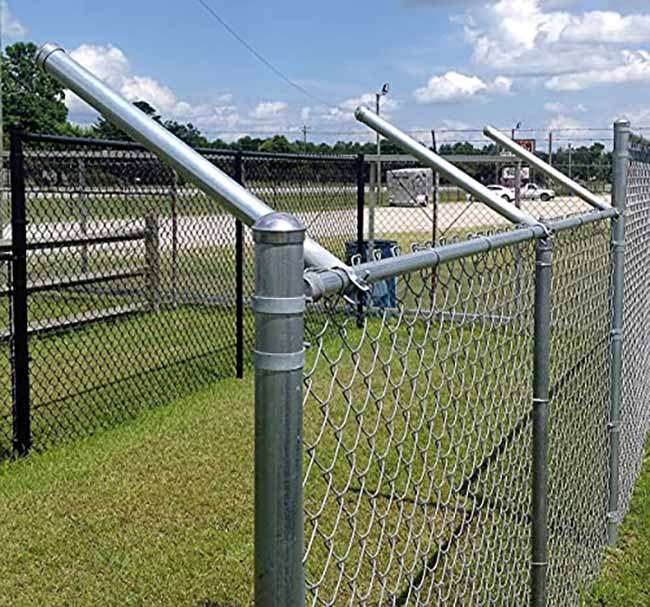
Meet extension poles – a quick fix to make your existing chain link fence taller.
These poles easily attach to the top rail of your current fence, adding height without messing with the posts.
Once they’re on, you can attach more chain link to extend the fence.
What’s cool is you can stick them straight up to make your fence taller or tilt them to stop dogs from jumping or people from climbing.
It’s a handy way to customize your fence, making it work better for you.
I think it’s a smart solution for giving your chain link fence a lift.
#3. Make Your Fence Taller with Fence Post Extensions

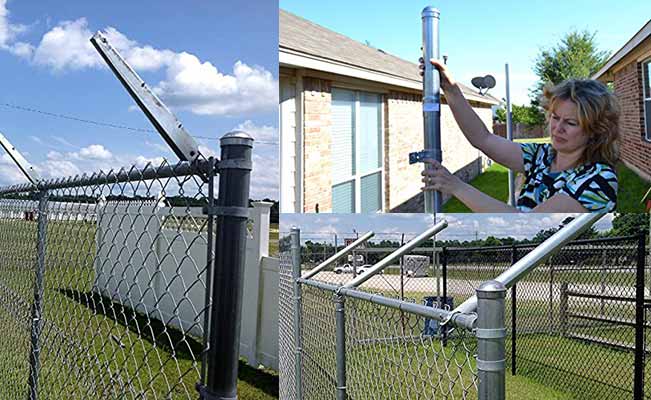
Have chain link fence posts in place but find them too short? Elevate your fence with ease using fence post extenders.
Simply slide the flared-end of the extender over your existing post and secure it with self-tapping screws, as demonstrated in the image above.
Once your posts are taller, you have options – either replace the shorter chain link with a taller version or add a strip of chain link above the existing one, securing them together with wire ties or hog rings.
For your convenience, you can likely find these fence post extensions at your local Home Depot. In my opinion, this method provides a practical solution for increasing the height of your chain link fence without starting from scratch.
#4. Use PVC Pipes to Make Your Chain-Link Fence Taller
Here’s another clever and budget-friendly trick from a YouTuber to raise your fence’s height.
Just slide PVC pipes over your existing fence posts, and voila, it’s taller!
While PVC might not be as sturdy as metal, it’s a wallet-friendly choice to add height to your fence. Bonus: it’s easy to cut too.
I think it’s a simple and affordable way to boost your chain-link fence without much hassle.
#5. Extend-an-Arm for Higher Chain Link Fences
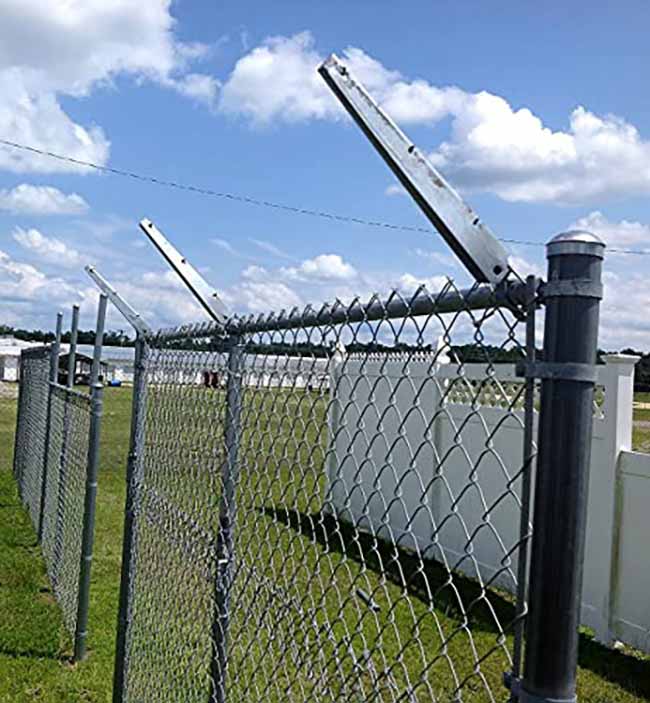
Here’s a handy solution – Extend-an-Arm height extension for chain link fences.
It easily clamps onto your existing top rail, providing a structure for adding barbed wire, making your fence taller for increased security.
And if you’re looking for more privacy than security, here’s an idea: run barbless wire along these arms.
It can work like a framework for climbing vines such as ivy.
In my view, it’s a smart way to not only heighten security but also add a touch of greenery for privacy.
#6. Heighten with Welded Wire
An effortless way to raise your chain link fence’s height is by adding material on top without altering the existing structure.
Welded wire, known for its sturdy checkered pattern, offers a seamless extension, maintaining the fence’s original appearance.
Here’s a quick guide: Grab 36 to 50 inches of welded wire from your local hardware store.
Use galvanized wire and pliers to attach it to your chain link fence. Bend the top 12 inches inward at a 90-degree angle to deter climbing animals.
Consider using T posts for extra support, creating a taller and more secure fence for your yard.
In my view, this method is not only easy but also enhances both the height and security of your chain link fence.
#7. Slip Taller Posts onto Your Chain Link Fence
Looking to boost your chain link fence’s height without the hassle of digging new holes or pouring concrete?
Here’s a straightforward solution: dismantle your existing chain link, retaining the fence posts, and invest in taller posts with a larger diameter.
Slip these new posts over the existing ones – no fuss, no complications.
Once the taller posts are in place, it’s a matter of installing new, taller chain link fencing and the necessary accessories.
Consider reusing your existing chain link if it’s still in good condition; simply add a shorter strip on top, overlapping the old and new fencing.
From a professional perspective, this method offers a practical way to enhance your fence’s height, minimizing the need for extensive groundwork.
It’s a hassle-free approach for a significant upgrade in your chain link fence’s appearance and functionality.
#8. Mesh Cloth for Taller Fences
For a quick fence height boost without major changes, consider adding mesh cloth on top.
Similar to welded wire but simpler, mesh cloth (hardware cloth) is a durable material available in rolls at hardware stores.
It stands upright without extra support, making it an easy and effective choice.
Unroll, cut, and secure the mesh cloth to your chain link fence using balling wire or T posts.
This hassle-free method doesn’t require dismantling the entire fence.
Professionally, mesh cloth is an efficient solution for a straightforward and durable fence height extension.
#9. Fabric Extensions: A Stylish and Functional Upgrade
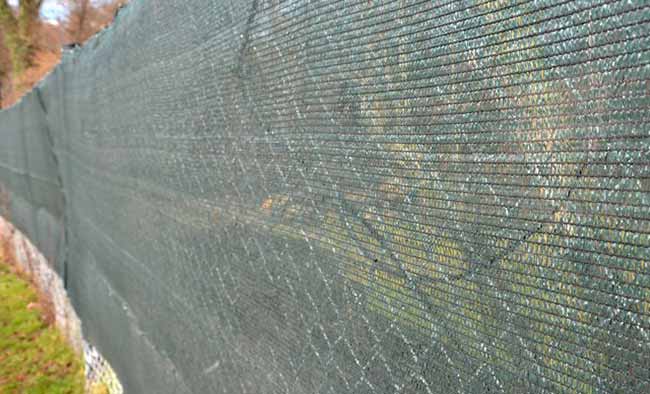
Want a budget-friendly way to increase your fence height while adding style and privacy?
Fabric extensions offer a sleek solution. Choose from solid colors for a modern touch or bold patterns for personality.
Even custom prints or logos can give your fence a unique identity.
Installation is simple: measure the fence section, cut the fabric with extra overlap, and reinforce it with grommets.
Secure it tightly with zip ties or bungee cords. The result?
A visually appealing extension that enhances privacy, provides shade, and integrates beautifully with landscaping.
#10. Reinforce with Welded Wire for Strength and Security
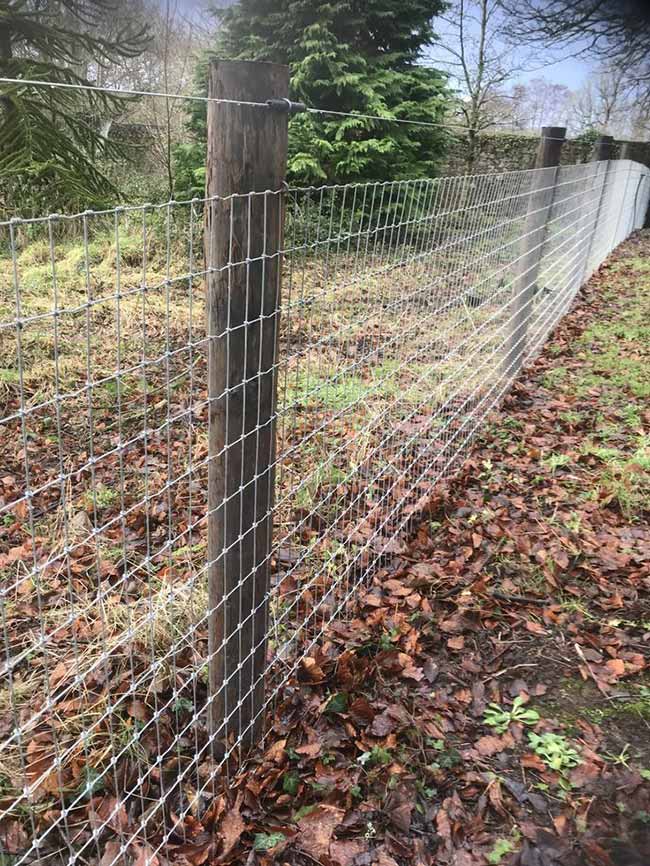
For a durable and secure extension, welded wire is a solid choice.
It blends seamlessly with your chain link fence while adding both height and protection.
Opt for a wire gauge that matches your fence’s aesthetic—whether industrial, modern, or rustic.
Installation is straightforward: attach the welded wire directly to the top rail with zip ties or metal clips.
For extra stability, add a second rail and sandwich the wire between them.
This method strengthens your fence while maintaining a clean, polished look.
#11. Add height using other fencing supplies
Sometimes, the best solutions are the simplest. Instead of expensive renovations, why not repurpose common fencing materials to extend your chain link fence?
With a little ingenuity, you can increase height without breaking the bank.
One clever approach? Use metal fence posts—designed for in-ground installation—as vertical extensions.
Secure them to your existing fence with zip ties, then attach lightweight materials like chicken wire or mesh.
This DIY hack can cost as little as $100 and is perfect for keeping pets contained or adding a bit of extra security.
Ultimately, the right extension method depends on your needs—are you keeping a dog in, intruders out, or simply looking for more privacy?
With a bit of creativity, your fence can be both taller and more functional in no time.